

The Great Kibble vs. Raw Debate: What Should You Really Feed Your Dog?
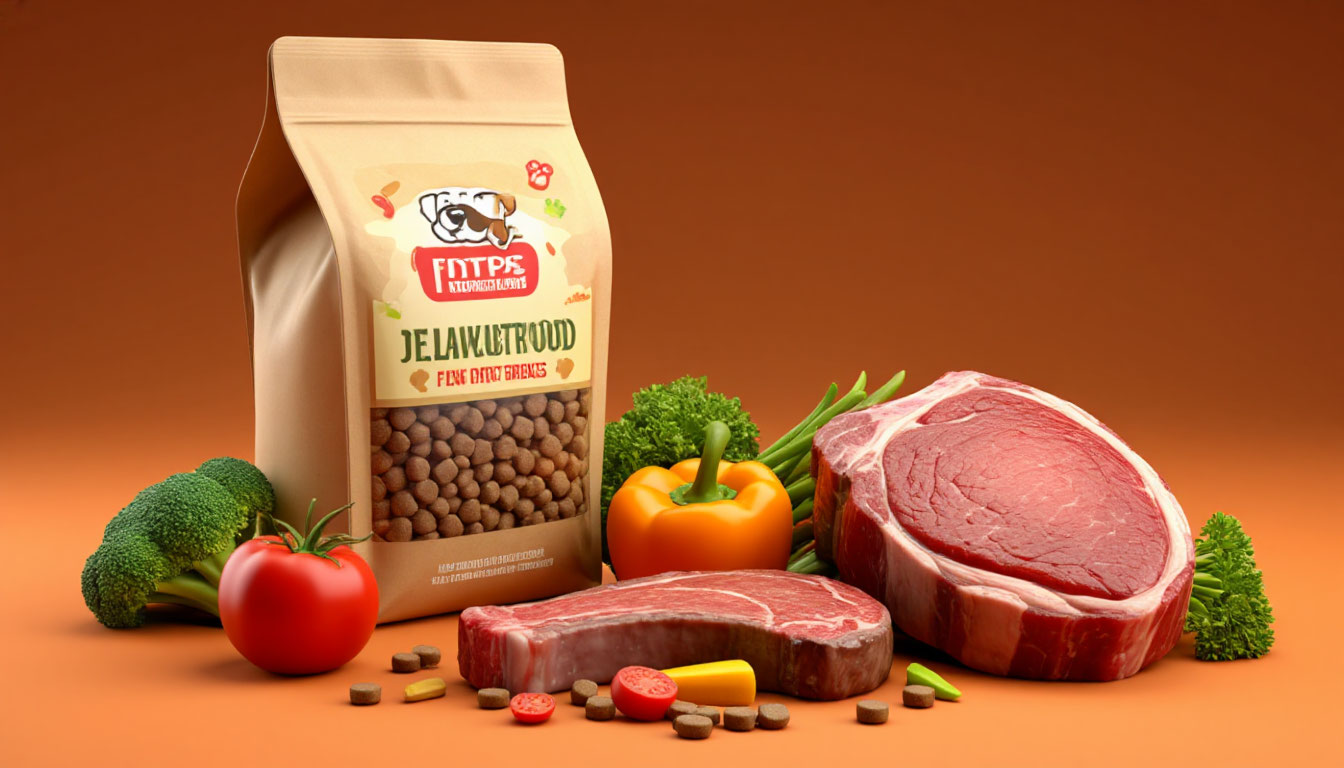 Let’s be real for a second. Standing in the pet food aisle can feel less like a simple shopping trip and more like a high-stakes pop quiz. On your left, you’ve got the towering bags of “Science Diet” and “Purina Pro Plan,” covered in bold claims about dental health and shiny coats. On your right, the cooler section hums with glassy-eyed rolls of “fresh, human-grade” meatloaf for dogs that costs more than your own lunch.
And then, of course, your phone buzzes. It’s your cousin Karen from Denver, texting you a TikTok of a raw-fed husky cracking a raw egg like it’s a gourmet chef. “This is the ONLY way!” the caption screams.
Welcome to the ultimate pet parent dilemma: Kibble or Raw? Dry or Fresh?
If you’re feeling overwhelmed, take a deep breath. We’re going to break this down in a way that doesn’t require a degree in veterinary nutrition (though, spoiler alert: we are going to talk about why you should definitely talk to someone who has one).
Team Kibble: The King of Convenience
Dry dog food - or kibble - has been the reigning champion of the dog world since the 1950s. And for good reason.
The Pros:
- Easy Peasy: You pour, they eat, you go back to binge-watching The Last of Us. It’s shelf-stable, doesn’t require refrigeration until it’s served, and is incredibly hard to mess up.
- Dental Gossip: There’s a longstanding theory that the crunch of kibble helps scrape plaque off teeth. (Veterinarians are a bit divided on how effective this really is, but it’s better than nothing!).
- Budget-Friendly: Generally, kibble is going to be significantly easier on your wallet than a custom meal prep service.
The Cons:
- The Ingredient Mystery: While high-quality kibbles are fantastic, the cheap stuff can be packed with fillers (corn, wheat, soy) that aren’t doing your pup any favors.
- Dehydration Station: Kibble has a very low moisture content. For dogs who don’t drink enough water, this can be a concern for urinary tract health.
Team Fresh: The Ancestral Argument
Then there’s the “natural” route. This doesn’t necessarily mean you’re buying whole chickens and grinding bones in your blender (unless you’re really into that). Today, “natural” usually means commercial raw diets or gently cooked fresh food subscriptions.
The Pros:
- The “It” Factor: Many owners swear their dogs have more energy, shinier coats, and better digestion on fresh food. It looks like real food because it is real food.
- Ingredient Control: You know exactly what’s going into the bowl. No mystery meat by-products here.
- Hydration: High moisture content is excellent for kidney and urinary health.
The Cons:
- The Bacteria Scare: Raw diets, in particular, come with a risk of bacterial contamination (like Salmonella and E. coli) for both your dog and your family - especially if you have young kids or immunocompromised individuals in the house.
- The Balancing Act: This is the big one. It is incredibly difficult to balance a homemade diet correctly. Your dog needs specific ratios of calcium, phosphorus, omega fatty acids, and taurine. Getting it wrong can lead to serious heart or bone issues down the road.
The Vet Visit You Can’t Skip
So, which team wins? Neither. Not yet. Because there is one crucial step you have to take before you commit to a 40-pound bag of kibble or a subscription to “Pup-shey’s.”
You need to talk to your veterinarian.
This is where the rubber meets the road. Your Labrador Retriever who loves to nap all day has different needs than your hyper-energetic Border Collie. A puppy needs different nutrients than a senior dog. And a dog with a history of pancreatitis? They need a very specific, low-fat game plan.
It’s tempting to Google “best food for golden retrievers” and call it a day. But the internet doesn’t know your dog. It doesn’t know if that itchy skin is a food allergy or just seasonal pollen. It doesn’t know if that “lack of energy” is from the food you’re feeding or the beginning of a heart condition.
Only a real-life, in-person veterinarian can give you a real diagnosis. They can run blood work, check teeth, and assess body condition. They can tell you, “Hey, that boutique grain-free kibble might be linked to a heart condition called DCM, let’s switch you to something with proven science behind it.”
Don’t skip those annual wellness exams. Think of them not as a chore, but as a pit stop for your best friend. You wouldn’t drive your car across the country without checking the oil, right? Don’t navigate your dog’s diet without a professional looking under the hood.
Why a dog could get very fat and how this could affect its health is described in this article.
Finding Your Flow (And Keeping Track of It)
Once you’ve had that chat with your vet, you’ll walk away with a plan. Maybe it’s a high-quality kibble topped with a spoonful of pumpkin. Maybe it’s a gently cooked diet with a specific supplement mix.
But now the real work begins. How do you track if the new food is working? How do you remember when to switch from “puppy” formula to “adult” formula? And what about that new trick you wanted to teach them to burn off all that extra energy from their new diet?
This is where modern pet parenting gets a helping hand from technology. Keeping your dog healthy is a 24/7 job, and it helps to have a tool that keeps everything in one place.
That’s where an app like Bobki comes into play. It’s designed for owners who want to be as proactive as their vet recommends. You can use it to:
- Schedule Health Reminders: Never miss a deworming, a heartworm pill, or - you guessed it - that all-important annual vet checkup with the task calendar.
- Understand the Behavior: If the new diet causes a tummy ache, your dog might act out. The body language book feature helps you decode whether that tail wag is joy or stress, so you can report accurately back to your vet.
- Channel the Energy: If that new fresh food diet gives your dog a burst of energy (in a good way!), the training section can help you teach new commands to keep them mentally stimulated and physically fit.
At the end of the day, the “best” food for your dog isn’t the one with the prettiest bag or the most viral TikTok trend. It’s the one that works for their unique biology, your lifestyle, and has the stamp of approval from a medical professional.
So, do your research. Ask questions. Download an app like Bobki to keep yourself organized. But most importantly, book that vet appointment. Your dog will thank you with slobbery kisses and a wagging tail.