

The Great Uprising: How to Stop Your Cat from Treating Your Couch Like a Scratch Post
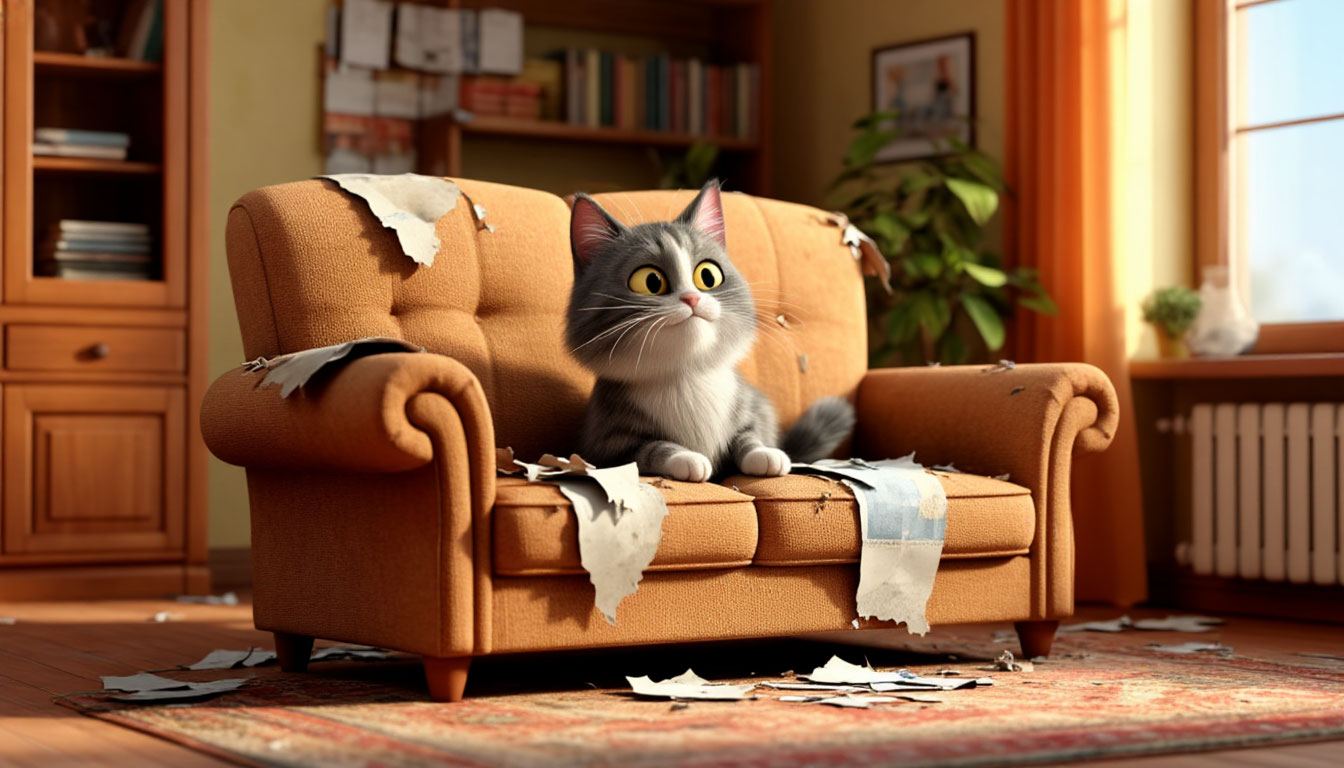 Let’s be honest: coming home to find your favorite armchair looking like it lost a fight with a cheese grater is a specific kind of heartbreak. You love your furry roommate, but right now, you’re not sure if you want to hug them or enroll them in anger management.
If you’re reading this, you’re likely living in a home that has become a battlefield. The casualties? Your walls, your curtains, and that expensive sectional you’re still paying off. But before you wave the white flag, let’s talk about why your cat is channeling their inner interior designer and, more importantly, how to redirect those claws without losing your sanity.
It’s Not Anarchy, It’s Biology
First, a quick mindset shift: your cat isn’t scratching your couch because they’re mad at you or because they have a personal vendetta against your décor. Scratching is as natural to them as breathing. It’s how they:
- Condition their claws: Shedding those old, dead outer layers.
- Stretch their bodies: Think of it as their morning yoga - a full-body toe curl.
- Mark their territory: Cats have scent glands in their paws. When they scratch, they’re leaving a visual message and a “scent note” that says, “This is mine, and I am awesome.”
So, the goal isn’t to stop the behavior - it’s to relocate it.
The Art of the Redirect
Telling a cat “no” is like telling a river to stop flowing. You have to build a better channel. Here’s your step-by-step guide to peace.
1. The “Turkey and Twine” Method You can’t just take away the couch; you have to offer something better. Experiment with scratching posts. Is your cat a vertical scratcher (stretching up) or a horizontal one (raking the floor)? Buy a post that matches their style.
- Material matters: Most cats prefer rough textures like sisal rope or plain cardboard. If you bought a fancy carpet-covered post and they’re ignoring it, they might just think it’s a boring part of the floor.
- Placement is key: You can’t hide a scratching post in the darkest corner of the laundry room and expect them to use it. Place it right next to the spot they’re currently destroying. Once they’re using it consistently, you can move it an inch a day toward a more convenient location.
2. Make the Couch Less Tasty We need to make the forbidden fruit less appealing. Cover the corners of the couch with double-sided sticky tape (cats hate the tacky feeling on their paws) or aluminum foil. You can also buy plastic corner protectors that nail into the furniture. It’s ugly, sure, but it’s temporary.
3. The Magic of Play A tired cat is a well-behaved cat. A lot of destructive scratching is just pent-up energy. If your cat is launching themselves at the wall trim, they might be bored. A solid 15-minute play session with a wand toy before bed can drain that energy, making them more interested in sleeping than scratching.
A Critical Pause: The Vet Visit
Now, let’s pump the brakes for a second. You’ve tried the tape, you’ve bought three different scratching posts, and yet Fluffy is still going to town on the door frames like it’s her job.
It’s time to call the doctor.
While scratching is normal, compulsive scratching can sometimes be a red flag. If you notice your cat is scratching excessively, or if they seem agitated or uncomfortable while doing it, it might be a sign of an underlying issue.
Never skip a vet visit just because you think it’s “just a behavioral thing.”
Sometimes, cats scratch more to relieve stress, but that stress could stem from physical pain we can’t see. A veterinarian is the only person who can provide a real diagnosis. They can rule out things like skin allergies, parasites (mites), or even arthritis. An arthritic cat might scratch more as a way to stretch sore muscles. Only a professional can look under the hood and tell you if this is a training issue or a medical one. Don’t play WebMD with your furry friend - if the behavior is extreme or sudden, book that appointment.
When Prevention Meets Technology
Once you’ve gotten the green light from the vet that your cat is healthy, it’s time to get serious about the training and routine.
This is where a little modern help comes in handy. We live in a golden age of pet care, and managing a multi-cat household or a busy schedule is easier when you have a command center in your pocket. That’s where an app like Bobki can be a game-changer.
Think of it as your personal assistant for pet parenting. When you’re trying to correct scratching behavior, consistency is everything. You need to be diligent about playtime, about applying that anti-scratch tape, and about rewarding good behavior. The Task Calendar feature in Bobki helps you set reminders for daily play sessions or weekly nail trims - because we all know how easy it is to forget “cat yoga time” when you’re swamped with work.
But the real magic is in understanding why your cat does what they do. Bobki includes a “Body Language Book” that helps you decode your cat’s mood. Is that scratch at the door a sign of frustration? Is that tail flick happiness or annoyance? Understanding these cues helps you address the root of the behavior before it starts.
And when you’re ready to teach them that the scratching post is their friend, not the enemy, you can use the app’s Training guides to reinforce positive behavior with the right techniques. It turns the chaotic process of “owning a cat” into a structured, fun journey of bonding.
You can learn to better understand what your cat’s actions mean by studying the cat body language book. We wrote about it here.
The Bottom Line
Winning the war on scratched furniture isn’t about domination; it’s about diplomacy. Provide better options, make the couch less appealing, and rule out any medical mysteries with your vet. With a little patience and the right tools in your pocket, you can save your sofa and keep the peace with the real boss of the house.