

The Secret Life of Cats: 10 Body Language Signs Every Owner Must Know
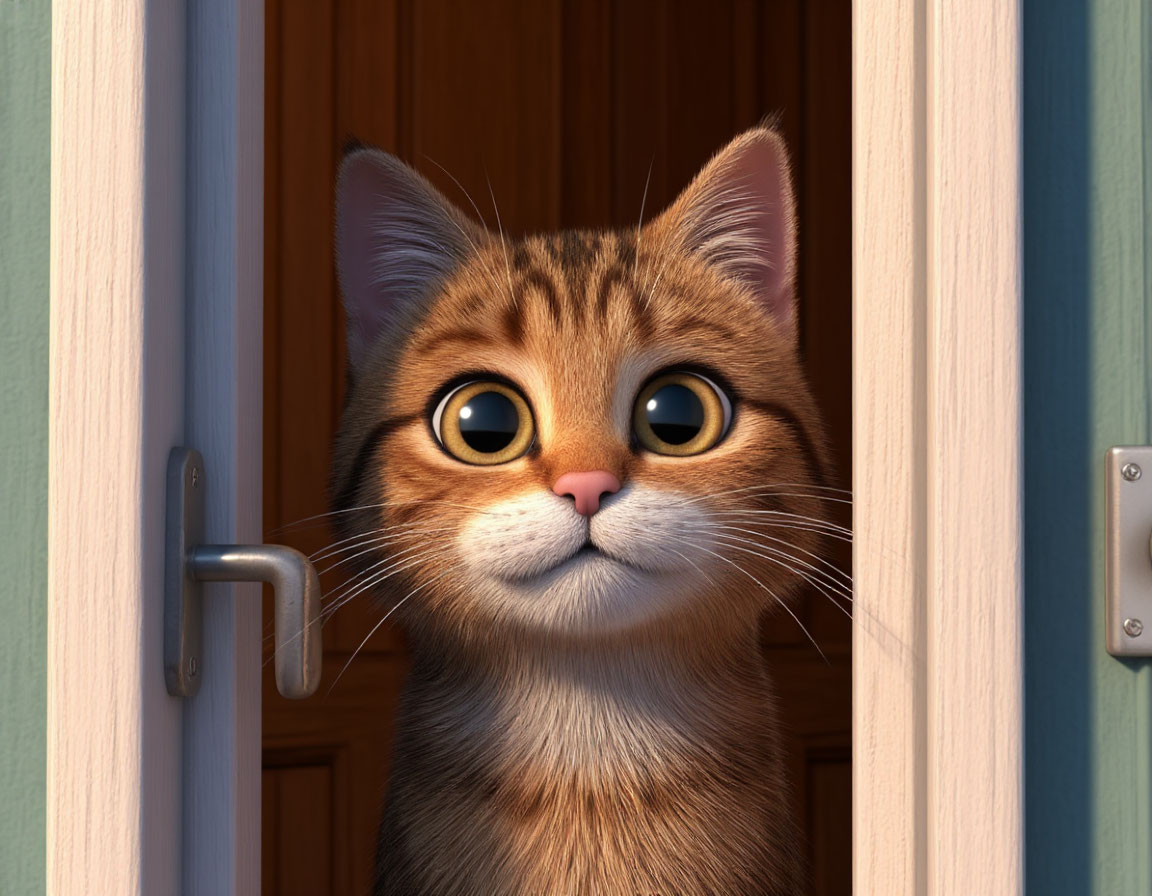 Let’s be honest: living with a cat is like living with a furry little alien. They purr when they’re happy, but sometimes they also purr when they’re stressed. They bump their head against your hand, but if you pet them one second too long, you might get a warning nip.
We often wish our feline friends could just speak up and tell us what’s wrong. The good news is, they are talking to you - constantly. You just have to learn their language.
Learning to read your cat’s body language is the ultimate key to unlocking a deeper bond. It turns confusion into clarity and helps you become the pet parent your cat thinks you are. So, grab a cup of coffee (and maybe a treat for your cat), and let’s decode the ten most common signs your cat is showing you right now.
1. The “Slow Blink” (The “I Love You”)
If your cat locks eyes with you from across the room and slowly closes and opens their eyes, they aren’t tired. In the feline world, this is the equivalent of an “I love you.” It’s a sign of trust and contentment. When a cat closes their eyes in your presence, they are telling you they feel safe enough to be vulnerable. Pro tip: Try slow blinking back. It’s a great way to build a connection.
2. The “Halloween Cat” (Arched Back with Fur Up)
You’ve seen this in cartoons. If your cat’s back is arched like a bridge and all the fur along their spine is standing on end, they are scared - really scared. They are trying to look bigger to intimidate a perceived threat. If you see this, look for the source of the stress (like another animal outside) and remove it if possible. Do not try to hug them; they are in fight-or-flight mode.
3. The “Belly Trap”
It’s fluffy. It’s soft. It’s right there. But before you dive in for a belly rub, know this: When a cat rolls over and shows you their belly, it is often a sign of trust. However, for many cats, it’s not an invitation. It’s a defensive position. Their back legs are loaded with claws, ready to grab your hand if they feel play has gone too far. If they let you rub it, you’ve won the lottery. If they grab you, don’t be mad - you were warned.
4. The “Bread Loaf” or “Cat Loaf”
You know the pose: paws tucked in, body tight, looking like a furry loaf of bread. This usually means your cat is relaxed but alert. They’re comfortable enough to settle down but not so deeply asleep that they can’t react if something interesting (or snack-related) happens.
5. Ears: The Satellite Dishes
Cat ears are incredibly expressive.
- Forward and slightly outward: Your cat is happy and relaxed.
- Twitching or rotating (radar ears): They are listening intently to something behind them.
- Flattened sideways (Airplane ears): This is a classic sign of irritation, fear, or annoyance. If you see the “airplane ears,” stop whatever you are doing. You are about five seconds away from a hiss or a swat.
6. The Tail Tells the Tale
A dog wags its tail when it’s happy; a cat is more nuanced.
- Tail straight up with a curved tip (like a question mark): This is a happy greeting. They are happy to see you!
- Tail thrashing or thumping: Unlike a dog, a cat thumping its tail hard on the ground usually means they are overstimulated or annoyed. That movie you’re watching? They want you to stop petting them.
- Tail puffed up: Scared (see the Halloween cat above).
7. Kneading (The “Making Biscuits”)
When your cat pushes their paws in and out against a soft blanket (or your stomach), they are “making biscuits.” This is a comfort behavior that stems from kittenhood when they kneaded their mother’s belly to stimulate milk flow. If your cat does this to you, it means they associate you with safety and comfort. You are Mom now.
8. Head-Butting (Bunting)
When your cat rams their forehead against your shins or face, they aren’t trying to knock you over. They have scent glands on their head, and they are marking you as “theirs.” It’s a huge compliment. They are adding you to their family scent profile.
9. The Chattering
Have you ever seen your cat stare out the window at a bird and make a weird, frantic chirping or chattering sound? There are a few theories about this. The most common one is that it’s an instinctive reflex simulating the “killing bite,” or it’s a sign of frustration that they can’t get to the prey. It’s weird, but totally normal.
10. Changes in Routine (The Silent Alarm)
This is the most important sign of all. If your cat suddenly stops using the litter box, hides for days, or becomes aggressive when they are usually sweet, they aren’t being “bad.” They are likely in pain.
Reading the signs is the first step, but it’s not a replacement for a medical degree. If your cat’s body language changes suddenly - if the loafing position turns into hunching in pain, if the purring stops, or if the appetite vanishes - it’s time to call the pros.
When Body Language Screams “Help”
As much as we love to decode our cats, we have to remember that we are owners, not veterinarians. A cat hiding all the time could be scared, or they could have a fever. Excessive grooming could be stress, or it could be a skin condition. That’s why regular veterinary check-ups are non-negotiable.
Think of your vet as your partner in your cat’s health. They have the training to tell the difference between a behavioral quirk and a clinical symptom. Real diagnoses require blood work, exams, and expertise - not just a guess based on a tail wag. Don’t skip those annual exams!
Learn about 10 cat symptoms that are definitely worth paying attention to.
Be the Best Detective You Can Be
Being a great pet parent means constantly learning. And in our busy lives, it’s hard to remember every single twitch of the ear or what a specific meow means.
That’s where technology can lend a paw.
If you’re serious about understanding your cat (and maybe your dog, too!), you need a tool that keeps all that knowledge in your pocket. That’s why I love the Bobki app.
Bobki is like a command center for your pet parenthood. It helps you stay on top of your vet visits with a handy task calendar (so you never forget a vaccine or a flea treatment again). But more importantly for us body-language learners, it includes an extensive library on animal body language and training. So, if you forget whether the “slow blink” means love or aggression, you can check the app and refresh your memory instantly.
Understanding your cat is a journey. By learning their body language, committing to regular vet visits, and using smart tools like Bobki to stay organized and informed, you’re not just owning a cat - you’re building a friendship that crosses the species barrier.