

The Purrfect Patient: 10 Common Cat Symptoms You Should Never Ignore
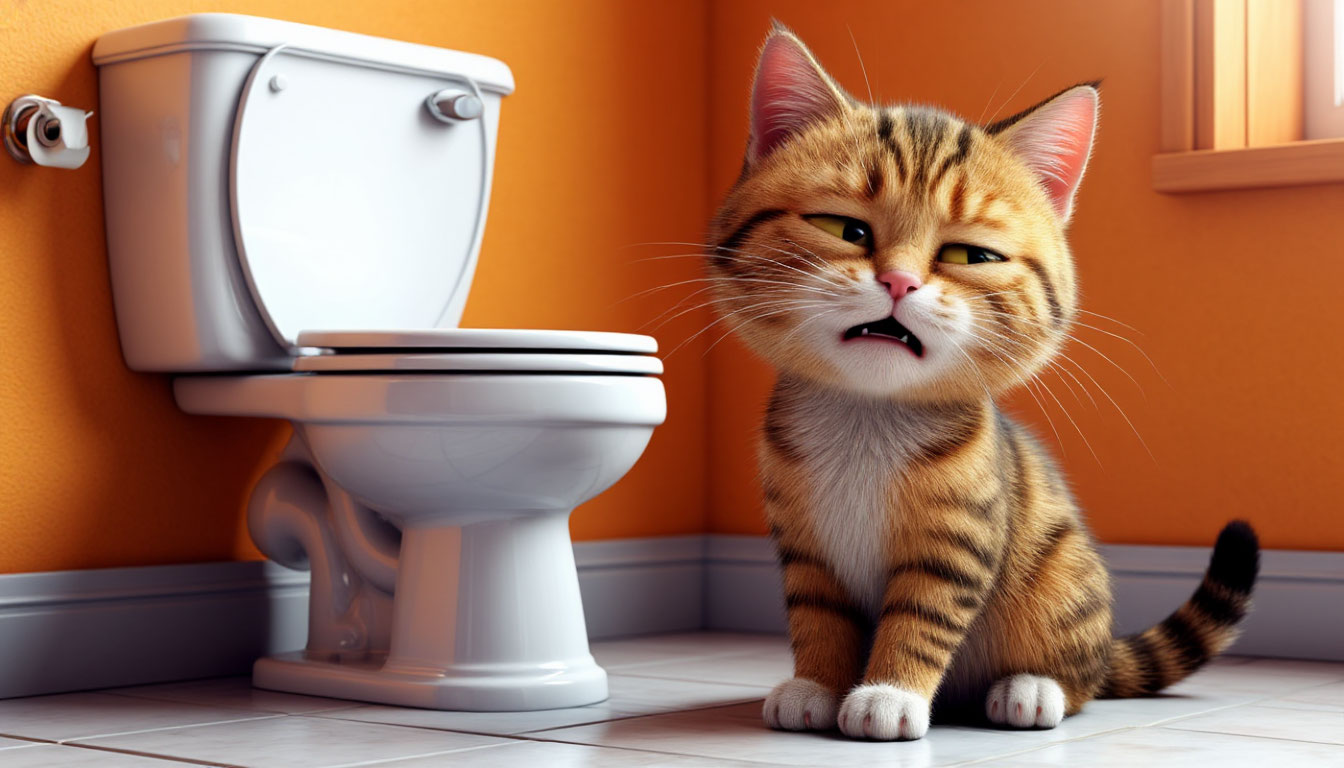 Let’s be honest: cats are the undisputed ninjas of the animal kingdom. They can leap seven times their body length, land on their feet from seemingly impossible heights, and, most importantly, hide the fact that they feel terrible better than any spy hides a secret.
It’s a survival instinct buried deep in their DNA. In the wild, a sick cat is a target. So, your fluffy domestic tiger, Mr. Whiskers, will often suffer in silence, purring away on your lap while hiding an illness. This makes it our job as their staff (yes, we are merely staff) to be detectives.
Knowing the difference between a quirky cat moment and a red flag can save you a fortune in vet bills and, more importantly, save your cat from unnecessary suffering. Here are the top 10 symptoms in cats that demand your immediate attention.
1. The Bathroom Break Break-In (Straining to Pee)
If you see your cat going in and out of the litter box, crying, or straining to produce even a drop of urine, stop reading and go to the vet immediately. This is especially critical for male cats, as it is a classic sign of a urinary blockage. This condition can be fatal within 24-48 hours. It’s not constipation; it’s a life-or-death emergency.
2. The Hide-and-Seek Champion
We love it when our cats find a sunny spot to nap. But if your social butterfly suddenly becomes a recluse, hiding under the bed or in a closet and refusing to come out, something is wrong. Pain and fear drive this behavior. If they are hiding combined with any other symptom on this list, it’s time for a check-up.
3. The “I’m Not a Morning Person” Vomiting
Cats vomit. Hairballs happen. But context is everything. If your cat vomits right after eating undigested food, it could be a dental issue or esophagus problem. If it’s a repetitive thing (vomiting more than 2-3 times in 24 hours) or if the vomit looks like dark coffee grounds (digested blood), do not pass “Go,” do not collect $200 - head to the vet.
4. The Overzealous Groomer
Have you noticed a bald spot on your cat’s belly? Or maybe they are licking their back raw? Over-grooming is often mistaken for cleanliness, but it is usually a sign of pain (like arthritis in a joint they keep licking) or stress. It’s their way of self-soothing, but it leads to skin infections.
5. The Third Eyelid Salute
You know that little pink thing in the corner of your cat’s eye? That’s the third eyelid. You shouldn’t normally see it. If it’s covering half their eye, or if both eyes have it partially closed, it’s a huge red flag. This can indicate anything from severe dehydration to a systemic infection or neurological issue.
6. The “Old Man” Limp
Cats are masters of masking pain, especially joint pain. Unlike dogs, they rarely yelp when hurt. Arthritis in cats often looks like “slowing down.” If your cat is hesitant to jump on the couch, suddenly misses the landing, or seems stiffer than usual, don’t just chalk it up to old age. They are likely in pain and need veterinary support.
7. The Bad Breath That Clears a Room
“Cat breath” is a thing, but it shouldn’t smell like death. Foul, rotten odor is a sign of dental disease, which can lead to infections in the heart, liver, and kidneys. If your cat drools excessively or drops food while eating, their mouth is hurting, and they need a dental check-up.
8. The Finicky Feeder (Anorexia)
Cats are creatures of habit. A cat that skips a meal is a cat that is likely sick. Going without food for even 24-48 hours can lead to a dangerous condition called hepatic lipidosis (fatty liver disease). If your cat turns up their nose at their favorite tuna treat, it’s time to call the doctor.
9. The Suicidal Yowl
Has your elderly cat started howling at 3 AM for no reason? While sometimes it’s just “the crazies,” sudden, loud vocalization can indicate a sudden spike in blood pressure, hyperthyroidism, or even that they have gone blind or deaf and are disoriented.
10. The Puffy Face
If your cat’s face, lips, or eyelids suddenly swell up, it could be an allergic reaction (similar to hives in humans). If accompanied by coughing or wheezing, it’s a respiratory emergency. Even if they seem fine, swelling needs to be checked out.
The “Google MD” Trap: Why Your Vet is the Real MVP
Reading this list might make you want to panic-diagnose your cat with everything at once. Please don’t. This list is a guide for when to worry, not a manual for self-diagnosis.
Just like you wouldn’t perform surgery on yourself after watching a YouTube video, you should never treat your cat based on a hunch. A symptom like vomiting can be anything from a hairball to kidney failure. Only a veterinarian has the tools, labs, and training to tell the difference. Skipping those annual “wellness” visits is a gamble. Cats age roughly 7 times faster than we do, so skipping a year for them is like you going 7 years without a physical. Please, keep those appointments. Early detection saves lives - and wallets.
It is important to keep track of which nose your cat has, it can also be an indicator of the cat’s condition. We wrote more about this in this article.
Being a Better Pet Parent Starts in Your Pocket
Between the daily grind and trying to remember if Fluffy pooped normally this morning, it’s easy to forget the small stuff. But in the world of cat health, the small stuff is the big stuff.
This is where a little tech-savvy help comes in handy. If you’re looking for a way to stay on top of your pet’s health, check out the Bobki app.
Think of it as your co-pilot in pet parenthood. Use the Task Calendar to track everything - not just vet visits, but also flea treatments, deworming schedules, and even when you last gave that dental treat. No more guessing if a symptom is new or recurring.
Plus, that weird ear twitch your cat is doing? The app features a comprehensive Body Language Book to help you decode those subtle signs of stress or pain we talked about earlier.
Because when it comes to our feline overlords, staying informed is the best way to earn those head-butts and kneads. Stay vigilant, stay informed, and don’t ignore the signs.
Tip: Keep all your pet’s test results and vaccination records on your phone. We explain how to easily do this and why it’s important. Read the article