

Your Pet’s Life in Your Pocket: Why You Need to Stop Ignoring Those Vet Records
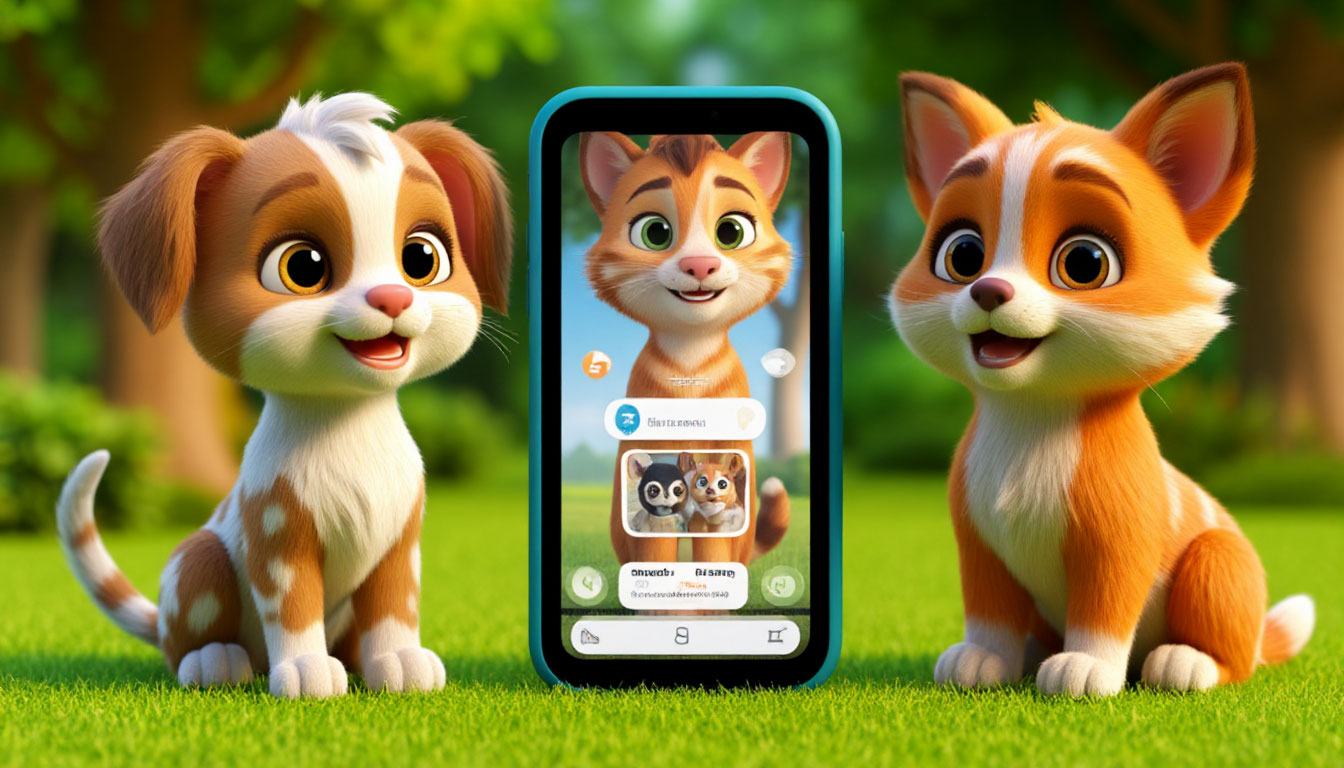
Let’s be honest: how many photos of your dog do you have on your phone right now? Go ahead, check. I’ll wait.
If you are a typical American pet parent, you probably have 47 pictures of them sleeping in a weird position, 23 videos of them chasing a squirrel, and maybe a few of them “helping” you work from home.
But here is a question that might sting a little: Do you have a single photo of their rabies certificate? Or their latest bloodwork results?
If you just let out a guilty laugh, you aren’t alone. Most of us treat those crumpled papers from the vet like junk mail - we shove them in a drawer, use them as a coaster, or accidentally recycle them the moment we get home. But in the age of “there’s an app for that,” holding onto physical copies of your pet’s medical history is as outdated as using a flip phone.
Here is why you need to digitize that paper trail immediately.
The 3 AM Panic Attack
It’s 3 AM on a Sunday. Your cat, Whiskers, starts vomiting and is acting lethargic. You rush to the nearest emergency vet. The technician rushes over and asks, “When was his last vaccine? Is he on any medications? Does he have any pre-existing conditions?”
Your mind goes blank. You know he had a shot in the spring… or was it last fall? Is his heartworm med current? You frantically scroll through your email, check your fridge magnets (why do we put vet cards there?), and come up empty.
In an emergency, time is tissue. Every minute you spend searching for information is a minute the vet could be treating your pet. Having a digital copy of their records means you can hand the vet concrete data immediately, allowing them to make faster, safer decisions about anesthesia or treatment.
The “Is This a Tumor or a Bug Bite?” Factor
We’ve all been there. You’re petting your dog and you feel a lump. Suddenly, you’re Dr. Google, convinced it’s a Grade 5 Mast Cell Tumor. But wait… didn’t the vet mention a benign fatty lump (lipoma) at the last check-up six months ago? Was that on the right side or the left?
Having access to your pet’s health history allows you to track changes over time. You can check previous exam notes to see if that lump was already documented. It helps you give your vet a clear timeline: “He was 50 pounds at his last visit, now he’s 45,” or “His kidney values were normal in January.”
However, and this is crucial: Having the records on your phone is a tool, not a license to play doctor. A photo of a blood test doesn’t make you a veterinary nephrologist. If you notice something off, those digital records are there to facilitate the conversation with the expert, not to replace it. Only a veterinarian can perform a physical exam and render a real diagnosis. Those digital files simply make you a better, more informed partner in your pet’s healthcare.
The “Bark and Breakfast” Hurdle
Planning a vacation is stressful enough without worrying about the boarding paperwork. Most reputable kennels, doggy daycares, and groomers require proof of vaccinations (usually Rabies, Distemper, and Bordetella) before they will take your furry friend.
Imagine this: You’re packing the car, the dog is hyped, and the boarding facility emails you: “We still need the vaccine records.”
If you have them on your phone, it’s a two-second job. You hit “share” and you’re done. If you don’t, you’re digging through the recycling bin, calling your vet in a panic (and possibly paying them for a records request), or worse - missing your check-in time.
The “Wait, How Old Is He Again?” Problem
Let’s face it, time flies. Dog years are confusing. Having your pet’s records handy helps you stay on top of preventative care. You can easily see when the next heartworm test is due, when they are due for their senior blood panel, or when that dental cleaning was actually done. This leads to fewer missed appointments and a healthier, longer life for your companion.
It is also important to have a home first aid kit for your cat or dog. Find out what should be in it in this article.
The Bottom Line: Work Smarter, Not Harder
Your phone is the command center of your life. It holds your banking info, your social life, and your deepest secrets (don’t worry, I won’t tell anyone about that reality TV addiction). Why shouldn’t it hold the key to your pet’s health?
In fact, managing your pet’s life doesn’t have to be another chore on your endless to-do list. This is where a little digital help can go a long way. For example, an app like Bobki is designed specifically to take the guesswork out of pet parenting. You can upload all those vet records and vaccine certificates right into the app, so they are always with you.
But it goes beyond just being a digital filing cabinet. Bobki helps you actually use that information to be a better pet owner. You can set reminders in the task calendar so you never miss a heartworm pill or a vet visit again (which means fewer 3 AM emergencies). If you’re confused about why your cat is hissing or what your dog’s tail wag really means, the in-app body language book can help you decode their signals. And if you’re struggling with a new puppy who thinks your shoes are chew toys, the training guides can offer step-by-step advice.
By keeping your pet’s world organized in one place, you free up mental space to actually enjoy your time with them. So, take five minutes today. Find those crumpled papers, snap a photo, and upload them. Because when it comes to the health of your best friend, it’s always better to have it and not need it, than to need it and not have it.