

The Pooch Pharmacy: What’s Really Worth Stocking in Your Dog’s Medicine Cabinet?
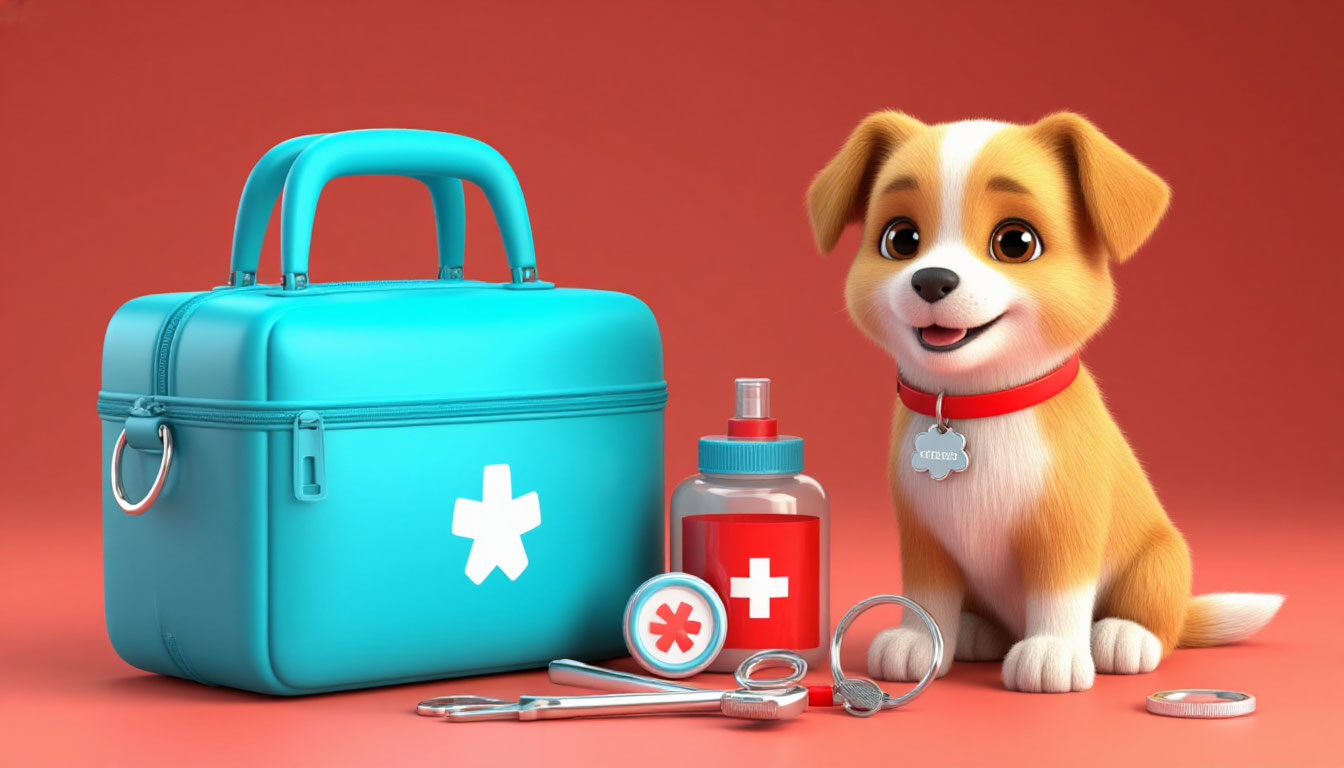 Let’s be real: if your dog is anything like mine, their idea of a medical emergency is the five seconds of silence that occurs after you drop a piece of cheese. One minute they’re a majestic creature, and the next they’re giving you the side-eye because the floorboards creaked, and they’re pretty sure it was a burglar.
We love our furry friends, but let’s face it - they are chaos magnets with paws. And while we can’t prevent them from eating that mysterious thing they found in the grass, we can be prepared. Enter the Holy Grail of pet ownership: The Canine First-Aid Kit.
But before you go dumping your own stash of Advil and last year’s band-aids into an old shoebox, let’s talk about what actually deserves a spot in your dog’s medicine cabinet.
The “No-Fly” List (Human Meds = Doggy Danger)
First, a quick reality check. That bottle of ibuprofen you reach for when your back hurts? It’s basically poison to your pup. Acetaminophen (Tylenol) is also a huge no-go. Dogs metabolize medications very differently than we do. So, rule number one: Keep the human pharmacy separate from the doggy pharmacy.
The Core Four: What You Actually Need
Building a solid canine first-aid kit isn’t about buying a bunch of scary medical gear. It’s about having the tools to handle the small stuff and stabilize the big stuff on the way to the vet.
1. The Wound Care Station Dogs get cuts. It’s a fact of life, especially if your yard has bushes or your dog believes that squirrels are mortal enemies.
- Non-Stick Gauze Pads and Rollers: Regular cotton balls stick to wounds like glue. You want non-stick pads and some stretch gauze to wrap them.
- Veterinary Wound Spray: Look for a pet-safe antiseptic spray (usually chlorhexidine-based). It’s great for cleaning minor scrapes without the sting that makes your dog hate you.
- Styptic Powder: If you trim your dog’s nails at home, this stuff is magic. If you cut the quick (the vein inside the nail), dip the nail in this powder - it stops the bleeding instantly. It’s the difference between a tiny oopsie and a scene from Carrie.
2. The Tummy Trouble Toolkit Dogs eat things they shouldn’t. My childhood dog once ate an entire corncob. He was fine, but my mom aged ten years.
- Activated Charcoal: This is a controversial one, and you should only use it under the direction of a vet or a pet poison control hotline. It can absorb toxins, but it’s not right for every situation.
- Plain Canned Pumpkin (not pie filling!): This isn’t for the kit, but for the fridge. It’s a fiber bomb that helps with both diarrhea and constipation. It’s the Goldilocks of gut remedies.
- 3% Hydrogen Peroxide: This is used to induce vomiting, but only if a veterinarian tells you to do so. Do not wing this. If your dog ate something caustic (like bleach) or sharp, vomiting can cause more damage. Wait for the pros.
3. The Comfort & Safety Gear
- Rectal Thermometer (Digital): A warm, dry nose is a myth. The only way to know if your dog has a fever is with a thermometer. (Lube it up with a little petroleum jelly first - trust me, it’s better for everyone).
- A Muzzle: Wait, hear me out! Even the sweetest dog in the world might snap if they are in severe pain. A soft, basket-style muzzle protects you so you can help them. It’s not mean; it’s safety.
The “Gray Area” (Where You Play Assistant, Not Doctor)
This is where the infotainment meets the reality check. It’s easy to read a list like this and think, “Great! I have gauze and pumpkin. I’m basically a vet now.”
Nope.
Having a first-aid kit is like having a fire extinguisher. You should know how to use it, but you aren’t a firefighter. If your house is burning down, you get out and call 911.
The kit is for stabilization, not cure.
If your dog is vomiting non-stop, has a distended belly, is having trouble breathing, or got into a fight with a porcupine (or a car), your first-aid kit is just the bridge to get you to the animal hospital. You can clean a wound, but you can’t diagnose an infection. You can stop a bleed, but you can’t tell if there’s internal damage.
Real talk: Real diagnoses require real degrees. Dr. Google might tell you that your dog’s limp is a minor sprain, but only a veterinarian can tell you it’s actually a torn ACL or Lyme disease.
Level Up Your Pet Parenting Game
So, you’ve got your kit stocked. You’ve got the gauze, the spray, and the emergency vet’s number on the fridge. You’re feeling pretty good. But being a great pet parent isn’t just about reacting to crises; it’s about preventing them and understanding your dog better every day.
This is where a little digital help goes a long way. Since we’re on the topic of being prepared, let’s talk about keeping your dog’s whole life healthy, not just the medical bits.
You know how you have a calendar for work meetings and birthdays? Your dog needs one too, but for deworming, vaccinations, and monthly flea treatments. That’s where an app like Bobki comes in clutch. It helps you track all that stuff so you never miss a dose or a booster - because prevention is way better (and cheaper) than treatment.
And speaking of understanding your dog, that first-aid kit won’t help you if you misread your dog’s stress signals. Bobki features a “Body Language Book” that helps you decode whether that tail wag means “I’m happy” or “Back off, buddy.” Recognizing stress early can prevent a lot of “emergencies” before they start. Plus, if you’re dealing with a hyperactive puppy or a rescue with anxiety, the training tools in the app can help you build better behaviors, making your home safer and your bond stronger.
The Bottom Line
Stock that kit. Keep it in a handy spot (and maybe away from the garbage can, lest your dog thinks the gauze is a new toy). Use it for the small stuff, and use it to buy you time for the big stuff. But remember: the best tool in your emergency kit isn’t the thermometer or the tweezers. It’s your phone - to call the vet.
Tip: Keep all your pet’s test results and vaccination records on your phone. We explain how to easily do this and why it’s important. Read the article