

The Purr-fect Prep: What’s Really in Your Cat’s First-Aid Kit?
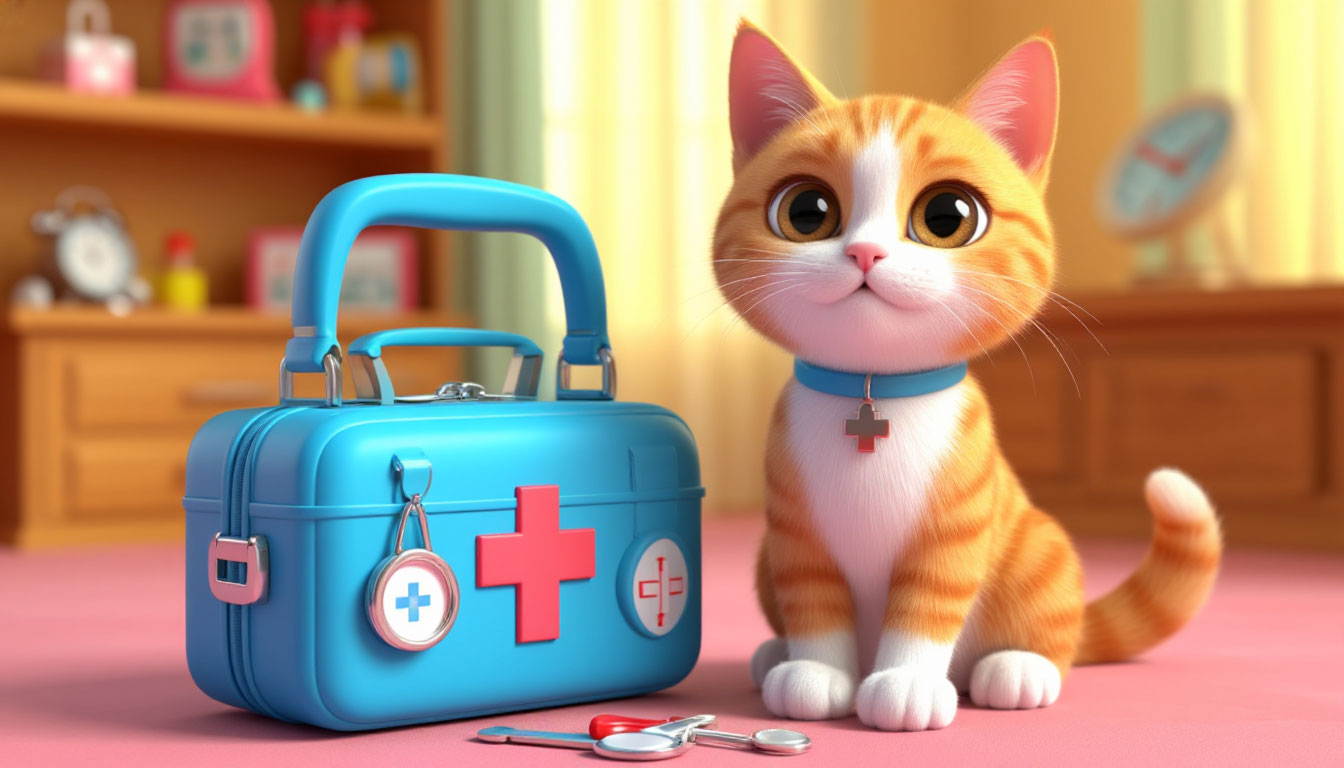 Let’s be real for a second. If your cat suddenly needed medical attention right now, would you be ready?
If your answer involves frantically Googling “can cats have Benadryl” while your furry overlord side-eyes you from the couch, you might need a little upgrade in the preparedness department.
We love our feline friends, but let’s face it: they are tiny, furry ninjas with a knack for finding trouble. One minute they’re lounging in a sunbeam, the next they’ve gotten into a tussle with the underside of the sofa or stepped on something they shouldn’t have. That’s why having a dedicated cat first-aid kit isn’t just being a “crazy cat person” - it’s being a responsible one.
But before you grab a box and start dumping random human meds inside, let’s break down what a proper feline pharmacy looks like.
The “Don’t Touch My Stuff” Starter Kit
First, you need a container. Cats are naturally suspicious of change, so don’t expect them to appreciate your efforts. A sturdy, latchable plastic box or a small tackle box works great. It keeps things organized and, more importantly, keeps nosy paws out. You want this kit to be easily accessible to you, but not a playground for them.
Now, for the good stuff. Here’s what you should stock:
1. The Wound Care Warriors Cats have claws - their own and sometimes others’. Minor scrapes happen.
- Sterile Saline Solution: Perfect for flushing out a dirty paw or a small wound. Think of it as eye wash for boo-boos.
- Non-Adherent Gauze Pads: Regular cotton balls stick to wounds like cheap tape on a birthday present. These pads won’t.
- Vet Wrap (or Self-Adhesive Bandage): Not to be confused with super sticky tape. This stuff sticks to itself, not fur, making it great for securing gauze without a wrestling match.
- Styptic Powder: If you trim nails (and you should!), you might accidentally cut the quick. A dab of this powder stops the bleeding instantly.
2. The Diagnostic Tools
- Digital Rectal Thermometer: I know, I know. Your cat knows, too. But it’s the most accurate way to tell if something is wrong. A cat’s normal temp is between 100.4°F and 102.5°F. Get one specifically for the cat and label it so it never gets mixed up with the human one.
- Blunt-Tip Scissors & Tweezers: Great for carefully cutting fur away from a wound or removing splinters and debris.
3. The Topical Treatments
- Vetericyn Plus Feline Antimicrobial Spray: This is a miracle worker. It’s safe if they lick it (unlike human antibiotic ointments like Neosporin, which can cause allergic reactions in cats) and helps heal hot spots, cuts, and abrasions.
4. The Emergency Contact List
- Your vet’s 24-hour number.
- The number for the nearest Animal Emergency Room.
- The ASPCA Animal Poison Control Center hotline: (888) 426-4435. Note: they may charge a consultation fee, but when Mr. Whiskers licks a lily, it’s worth every penny.
The Golden Rule: Don’t Play Doctor
Here’s where we hit the brakes. Having a first-aid kit is about stabilizing, not curing.
You might be tempted to give your cat a tiny bit of Tylenol for pain. Stop. Right. There. Human painkillers are incredibly toxic to cats. Acetaminophen (Tylenol) can be fatal. Ibuprofen (Advil) can cause kidney failure.
Your first-aid kit is there to handle the small stuff (a minor cut) and to manage the situation on the way to the vet for the big stuff (vomiting, lethargy, limping, difficulty breathing).
Think of yourself as the paramedic, not the surgeon. The paramedic’s job is to keep the patient alive and comfortable until they reach the hospital. Your job is the same. Real diagnosis requires X-rays, blood work, and years of veterinary training. Guessing is a dangerous game.
That’s why those regular vet check-ups aren’t just a suggestion - they are the cornerstone of your cat’s health. A vet can spot the subtle signs of dental disease, thyroid issues, or kidney problems long before you’ll ever see them. Skipping that annual exam is like driving your car for 50,000 miles without ever checking the oil. Sure, it might be fine… until it isn’t.
Knowledge in Your Pocket
So, you’ve got the physical kit ready. You know when to go to the vet. But what about the moments between? The weird behavior you notice at 10 PM on a Sunday? The question about whether that new plant is safe?
This is where modern pet parenthood meets tech. To help you stay on top of everything from parasite prevention schedules to understanding that weird tail flick, you might want to check out the ** Bobki mobile app**.
Think of Bobki as the command center for your pet parent duties. Since you’ve just organized your physical first-aid kit, you can use Bobki to organize the information side of things. The app features a handy Task Calendar, so you’ll never forget a flea treatment, a deworming dose, or that annual vet visit we just talked about.
Plus, because our feline friends speak a language that doesn’t involve words, Bobki includes a “Body Language Book” - a guide to help you decode whether your cat is purring in contentment or twitching their tail in annoyance. And if you have a dog, too? They’ve got you covered with training tips to keep the whole pack in line.
Your cat relies on you for everything. By building a proper first-aid kit, sticking to a vet schedule, and using tools like Bobki to stay organized and informed, you’re not just a pet owner - you’re a true guardian angel, complete with gauze and a smartphone.
Tip: Keep all your pet’s test results and vaccination records on your phone. We explain how to easily do this and why it’s important. Read the article