

The Schnozz Tell-All: Decoding Your Cat’s Nose for Health Clues
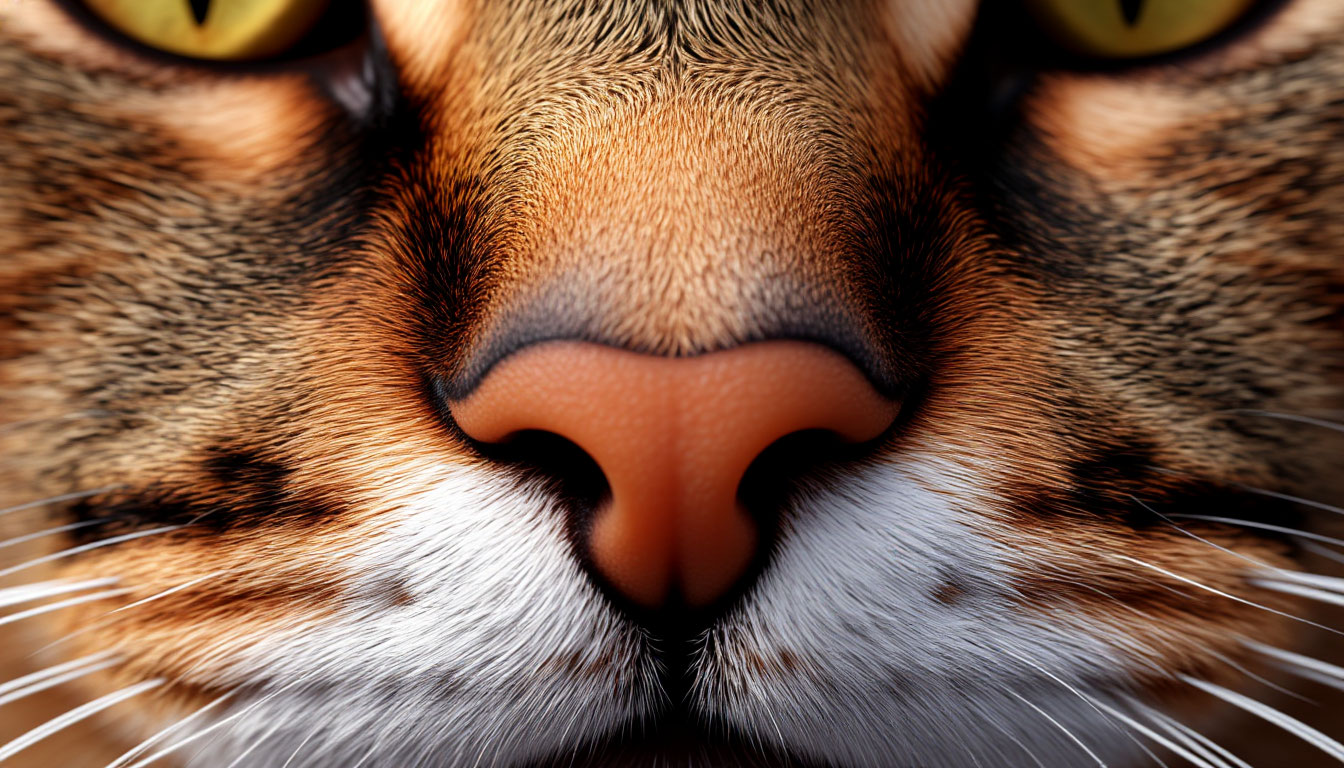 Let’s be honest: one of the best parts of coming home is the greeting. Your cat winds between your legs, purring like a tiny outboard motor, and then does it. They present the nose. That cool, slightly damp, boop-able little button that we can’t resist touching.
But have you ever stopped to wonder what that nose is really telling you? Beyond being the cutest feature on their face, your cat’s nose is a multi-tool of epic proportions. It’s a super-sniffer, a temperature regulator, and, yes, a surprisingly good window into their overall health.
So, let’s play a game of “Good Nose, Bad Nose.” What should you be looking for, and when does that cute little schnozz signal a trip to the vet?
The Ideal Specimen: The “Healthy Nose” Checklist
If you were to build the perfect cat nose in a lab (please don’t), here’s what the spec sheet would look like:
- The Texture: It should feel clean and smooth. Think of the feel of soft, warm suede or a lovely piece of polished leather. No bumps, no crusty bits, no flaking skin.
- The Moisture Level: Ah, the great debate: wet or dry? Here’s the real talk: a healthy cat’s nose can fluctuate between moist and dry multiple times a day. A cool, slightly damp nose can help with scent absorption and temperature regulation. But a dry nose isn’t a crime scene. If your cat just woke up from a sunbeam nap, their nose will likely be warm and dry. It’s all about context.
- The Color: This depends on your cat! A healthy nose should be the color it’s supposed to be for your specific feline. Pink, black, gray, or even a charming “liver” nose with freckles (common in orange cats) are all normal. The key is consistency. You’re looking for a uniform color without any sudden changes.
- The Discharge: This one’s easy. There should be none. A healthy cat’s nose is not a faucet. No boogers, no snot, no goo. Just a clean, ready-for-action sniffer.
Houston, We Have a Problem: Signs That Need a Second Look
Now for the part where we trade “aww” for “uh-oh.” This is when your cat’s nose starts waving a tiny red flag.
- The Drippy Faucet (Nasal Discharge): Clear, watery discharge can signal allergies or an upper respiratory infection (think of it as your cat’s version of a cold). But if that discharge turns yellow, green, or thick and goopy, you’ve moved into potential bacterial infection territory.
- The Crusty & Flaky Situation: A nose that’s persistently dry, cracked, or covered in crusts is a sign of trouble. It could be anything from sunburn (yes, cats can get it, especially on pink noses!) to a skin condition or even an autoimmune disease.
- The Color Change: A once-pink nose turning pale or white can be a sign of anemia or shock. A nose taking on a yellowish tinge (jaundice) is a serious indicator of liver issues. If you see a sudden or dramatic color change, don’t wait - call your vet.
- The Open-Mouth Breather: Cats are obligate nasal breathers, meaning they are designed to breathe through their nose. If your cat is consistently panting or breathing with their mouth open, their nasal passages are likely blocked, and they are struggling to get air.
The Golden Rule: Your Vet is the Real Expert
Okay, let’s pause for a very important public service announcement. Your author is a cat lover and an internet article, not a doctor. Reading this guide is like being a savvy car owner who knows what a weird engine noise might be. It makes you informed, but you wouldn’t try to rebuild the transmission yourself, right?
The same goes for your cat. Noticing a dry nose is just an observation, not a diagnosis. It’s a clue in a much larger mystery that includes appetite, energy levels, behavior, and a hundred other tiny details.
That’s why regular veterinary check-ups are non-negotiable. Your vet has the tools, the training, and the experience to look at that nose, listen to the heart, feel the belly, and piece it all together. They can tell the difference between a cat who’s dehydrated from a mild upset stomach and one who’s showing early signs of kidney disease. Only a veterinarian can make a real diagnosis and create a treatment plan. So, love on that nose, monitor it, but always let the pros do the heavy lifting.
Why can a cat shed a lot? We described everything about this problem here.
Be a Nose Expert with a Little Help
Being a great pet parent means being a detective. It’s about noticing the subtle shifts - the slightly drier nose, the one-day loss of appetite, the extra hour of sleep. But let’s be real, life gets busy. Between work, social life, and remembering to feed ourselves, it’s easy to lose track of the little things.
That’s where a little tech support can come in handy. To help you keep all those important observations and tasks straight, you might want to check out the Bobki mobile app. Think of it as your co-pilot in pet parenting.
Since we’re talking about monitoring your cat’s health, Bobki can help you track those daily details. You can log everything from nose moisture and appetite changes to weight and medication schedules in its handy task calendar. Noticing your cat’s nose has been drier than usual for three days? Log it in the app, and you’ll have a clear record to show your vet.
Plus, Bobki isn’t just for health tracking. It also features a comprehensive animal body language book to help you better understand what your cat is really saying with its ears, tail, and yes, even its nose. And if you’ve ever wanted to teach your feline friend a trick or two, the app even includes a training section with guides to help you bond and communicate even better.
So, go ahead. Give your cat a gentle boop on the nose today. Appreciate its perfect, healthy state. And know that by being observant and using the right tools, you’re well on your way to being the best, most informed cat guardian you can be.
Tip: Keep all your pet’s test results and vaccination records on your phone. We explain how to easily do this and why it’s important. Read the article