

Shots, Stats, and Snuggles: The Ultimate Guide to Puppy Vaccines (and Why Your Grown Dog Still Needs Them)
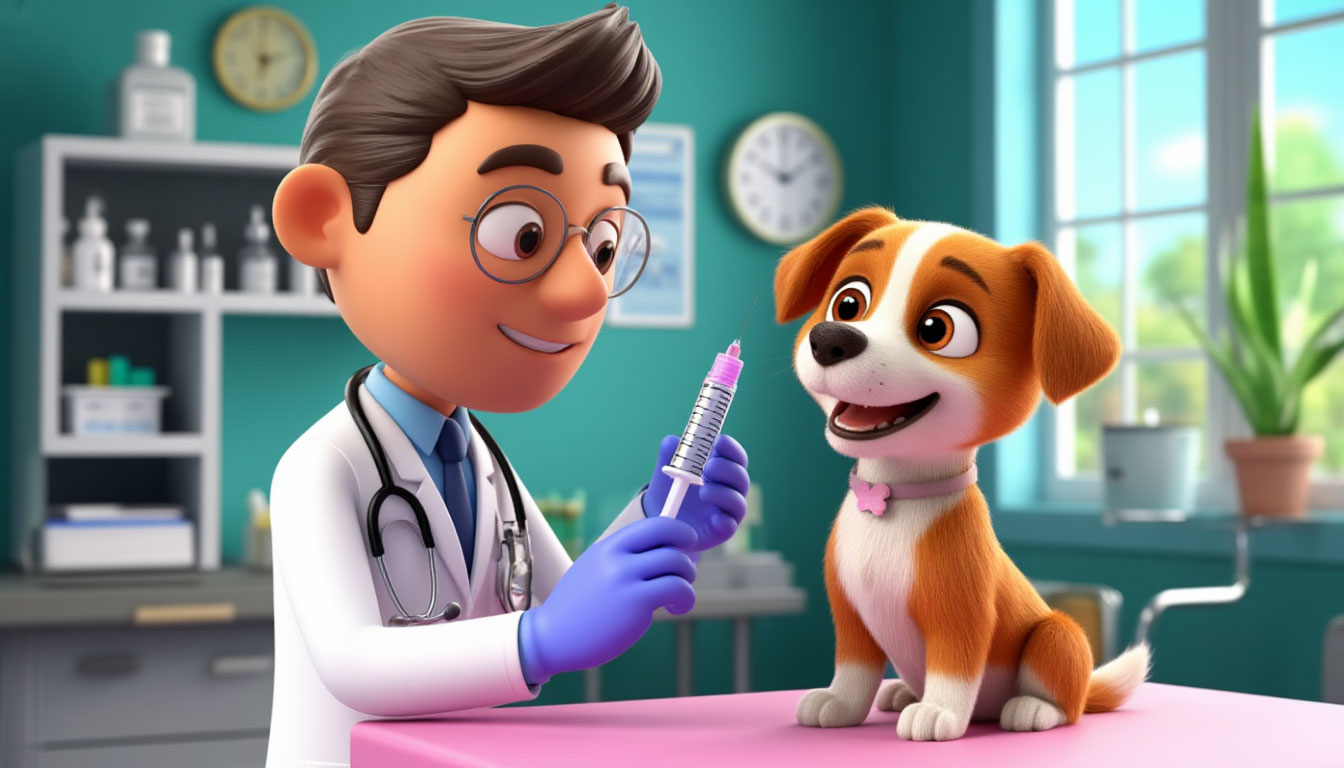 Let’s be honest: taking your dog to the vet for their shots isn’t exactly a day at the dog park. There’s the anxious car ride, the suspicious smells in the waiting room, and that look your dog gives you that seems to say, “I thought we were going for ice cream?”
But here’s the thing: those few seconds of a needle prick are buying you years of tail wags, sloppy kisses, and peaceful nights. In the world of pet parenting, vaccines are the ultimate cheat code for a long, healthy life.
Think of your dog’s immune system as a sleepy security guard. A vaccine is like sending that guard a wanted poster with a villain’s face on it. It wakes the guard up, shows him who the bad guy is, and gets him ready to fight - all without your dog ever having to meet the actual villain.
But which villains are we talking about? Not every shot is created equal. Let’s break down the non-negotiables - the vaccines that every dog, from a Chihuahua in a handbag to a Bernese Mountain Dog who thinks he’s a lap dog, absolutely needs.
The Fab Four: The Core Vaccines
Veterinarians across the U.S. agree on a set of “core” vaccines. These protect against diseases that are either highly contagious, extremely dangerous, or transmissible to humans.
-
Canine Parvovirus (“Parvo”): This is the stuff of nightmares for breeders and shelters. Parvo is a highly contagious virus that attacks the gastrointestinal system. It causes severe vomiting, bloody diarrhea, and rapid dehydration. It’s tough to treat, often requires hospitalization, and can be fatal. The vaccine, however, is incredibly effective. It’s the shield your puppy needs before they even start sniffing the ground on their first real walk.
-
Canine Distemper: Before we had vaccines, distemper was a leading cause of death in dogs. It’s a multi-system disease that affects the respiratory, gastrointestinal, and - most scarily - the nervous system. It can cause seizures and paralysis. There is no cure, only supportive care. Vaccination is the only way to ensure your dog never has to face this terrifying disease.
-
Canine Hepatitis (Adenovirus): Don’t let the name fool you; this isn’t the human version of hepatitis. It’s a virus specific to dogs that attacks the liver, kidneys, and eyes. It spreads through bodily fluids (like that shared water bowl at the park) and can cause mild fever or severe liver failure. The vaccine protects against Adenovirus-1 and -2, which also helps guard against some respiratory infections.
-
Rabies: This is the big one. Rabies is a fatal virus that attacks the brain and spinal cord of all mammals, including humans. It’s also the law. In almost every state in the U.S., vaccinating your dog against rabies is mandatory. Not only does it protect your dog, but it also creates a public health barrier between wildlife and your family. If your unvaccinated dog ever bites someone or gets into a fight with a raccoon, the legal and health consequences are severe.
The Lifestyle Choices: Non-Core Vaccines
Depending on where you live and what you do with your dog, your vet might recommend “non-core” vaccines.
- Bordetella (Kennel Cough): Planning a weekend at the boarding facility, doggy daycare, or groomers? They’ll likely require proof of this vaccine. Bordetella is a major cause of kennel cough, a respiratory infection that leads to a honking cough. It’s rarely fatal, but it’s annoying and highly contagious. Think of it as the flu shot for your dog’s social life.
- Leptospirosis (“Lepto”): This bacterial disease is on the rise in the U.S. Dogs get it from drinking or swimming in water contaminated with wildlife urine (puddles, ponds, streams). It attacks the kidneys and liver and, crucially, it is a zoonotic disease, meaning you can catch it from your dog. If your dog is a puddle-drinker or a hiking buddy, this vaccine is a must.
- Lyme Disease: Transmitted by deer ticks, Lyme disease can cause arthritis, fever, and kidney damage in dogs. If you live in or travel to areas with high tick populations (like the Northeast or Upper Midwest), your vet will likely discuss this one.
The Fine Print: Why the Vet Visit Matters More Than the Shot
You might be thinking, “Okay, I know the list. Can I just buy these online and do it myself?”
Stop right there. This is the most important part of the story.
Only a veterinarian can perform the physical exam required to ensure a vaccine is safe for your dog today. Is your dog running a low-grade fever you can’t detect? Do they have a underlying health condition that might make vaccination dangerous? A vet isn’t just a shot-giver; they are a detective. That yearly visit is your dog’s annual physical. It’s when we catch dental disease, heart murmurs, ear infections, and lumps that you didn’t even notice because you feel them every day.
Real diagnosis comes from real doctors. Dr. Google might tell you that your dog’s limp is nothing, but a vet’s hands-on exam and expertise might catch the early stages of cruciate ligament damage or arthritis. Please, never skip these appointments.
What should I do if I find a tick on my dog?
From Vet Visits to Daily Wins
Keeping track of all these vaccines - when the puppy boosters are due, when the one-year Rabies booster happens, when that Bordetella expires - can feel like a second job. Did you get the 16-week shot, or was that the 12-week? Is the DAPP vaccine the same as the Distemper shot?
This is where modern pet parenting gets a high-five from technology. Because let’s face it, between remembering your own dentist appointments and your kid’s soccer practice, your dog’s vaccine schedule can easily slip through the cracks.
That’s where an app like Bobki comes into play. Think of it as a co-pilot for your pet parenting journey. After your vet visit, you can log those vaccine dates into the Task Calendar. The app takes the mental load off by reminding you when those crucial annual boosters are coming up, so you can book the appointment before your dog is overdue.
But Bobki is more than just a calendar. Maybe you’re nervous about introducing your newly vaccinated puppy to a friend’s grumpy cat. You can check the in-app Body Language Book to understand the signs of stress or aggression, ensuring every interaction is a positive one. Or perhaps those “lifestyle” vaccines have you thinking about hiking safety. The app even includes training resources to help you reinforce that reliable “leave it” command - perfect for when your trail buddy tries to drink from a questionable puddle that might harbor Lepto.
Vaccines are the foundation of your dog’s health, but they are just the beginning. By combining expert veterinary care with smart, daily tools like Bobki, you’re not just protecting your dog from disease - you’re building a richer, safer, and more connected life together.
Tip: Keep all your pet’s test results and vaccination records on your phone. We explain how to easily do this and why it’s important. Read the article