

The Great Street Snack Heist: What to Do When Your Dog Eats the Unthinkable
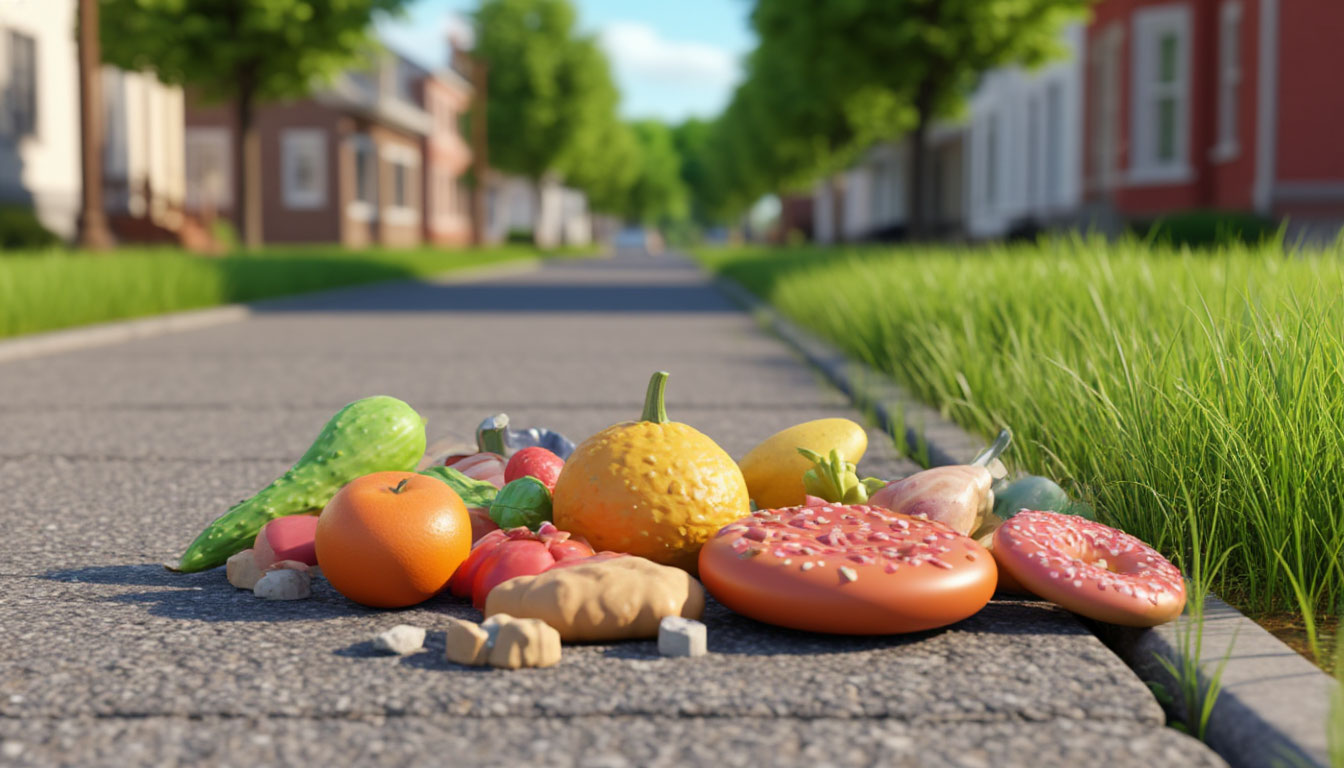 We’ve all been there. You’re enjoying a lovely, peaceful stroll around the block. The sun is shining, the birds are singing, and your furry best friend is trotting happily beside you. Life is good.
Then, it happens.
In a split second, faster than a speeding bullet, your dog’s head dips down, and you hear that telltale gulp. Your heart sinks. You yank on the leash, but it’s too late. The evidence is gone, and you’re left staring at a mystery spot on the sidewalk, asking yourself the million-dollar question: “What the heck did they just eat?”
Was it a discarded chicken bone? A piece of old pizza? A mysterious glob of who-knows-what? Welcome to the club of pet parents who have survived “The Great Street Snack Heist.”
Before you spiral into a full-blown panic, take a deep breath. Here is your step-by-step guide to navigating this gross, scary, and all-too-common scenario.
Step 1: Don’t Panic, Assess (Without the Finger)
Your first instinct might be to try and fish it out of their mouth. Do not do this. Unless you want to trade your fingers for a trip to the urgent care, avoid the jaw trap. Instead, calmly assess the situation.
Try to identify what the item was. Was it organic (food, wood) or inorganic (plastic, fabric)? If you can safely see the remnants on the ground, take a mental note (or even a photo). If it was a piece of food, was it something toxic like chocolate, xylitol-sweetened gum, or grapes? If you’re unsure, assume the worst-case scenario for now - it’s better to be safe than sorry.
Step 2: The “Wait and See” Temptation (And Why It’s Risky)
In the age of WebMD, our first instinct is often to play doctor. You might think, “He seems fine, I’ll just watch him closely.” And sometimes, that works. The dog passes the mystery item in a day, and life goes on.
However, this is a gamble. A chicken bone can splinter and perforate the intestinal tract. A chunk of a toy can cause a life-threatening blockage. Something moldy from the gutter can cause neurological issues.
This is the moment where you need to remember: You are a phenomenal pet parent, but you are not a veterinarian.
Step 3: The Vet: Your Co-Pilot in the Crisis
Picking up the phone to call your vet might feel like you’re overreacting. Let me assure you, you are not. Vets get these calls all day, every day. They would much rather you call and have it be nothing, than have you wait and have it be an emergency.
Call your veterinarian or the nearest emergency animal hospital immediately. Tell them:
- Your dog’s breed and weight.
- What you think they ate (even if it’s a guess).
- How long ago it happened.
- How your dog is acting right now (alert, lethargic, etc.).
They will tell you if you need to come in right away, if you should induce vomiting (with their guidance - never do this without a vet’s okay, as it can be dangerous depending on what was eaten), or if you can monitor at home.
Skipping this call is the biggest mistake you can make. A real diagnosis requires a physical exam, and possibly X-rays or bloodwork. Only a trained professional can see what’s really going on inside that furry tummy. Trust their expertise, not your gut feeling (pun intended).
Turning Chaos into Control: Meet Your New Secret Weapon
Handling these high-stress moments is a massive part of pet ownership. But what about the low-stress moments? The daily routine of making sure your dog is healthy, happy, and well-behaved so they don’t feel the need to scavenge like a hungry raccoon?
This is where having a little organizational help can make a world of difference. Think of it as your command center for canine chaos.
Speaking of command centers, there’s a fantastic tool that many modern pet parents are using to stay on top of their game. It’s a mobile app called Bobki.
Bobki is designed to handle the very things that lead to a well-managed, less-anxious pet life. How does it connect to our “street snack” scenario? Simple.
-
The “Was It the Vaccines?” Factor: After a stressful vet visit (and bill) for a mystery snack, you’ll want to ensure you never miss a routine check-up again. Bobki’s Task Calendar helps you track everything - from deworming schedules and vaccine boosters to flea and tick prevention. A healthy dog on a proper schedule is less likely to have a sensitive stomach that might react badly to junk food.
-
Reading the Room (and the Tail): Sometimes, after eating something weird, your dog will give you subtle signs that something is wrong - a slight hunch in the back, lip licking, or whale eye. Bobki features a comprehensive “Body Language” book that helps you decode these signals. You’ll be able to tell the difference between “I’m a little gassy” and “I’m in serious distress,” which helps you give the vet better information when you call.
-
The “Leave It” Masterclass: The absolute best way to handle a street snack situation is to prevent it from happening in the first place. Bobki includes a library of training resources that can help you reinforce rock-solid commands like “Leave It” and “Drop It.” Investing time in training today can save you from a heart-stopping gulp tomorrow.
Find out which food is best for your dog. We specifically wrote an article about this.
The Bottom Line
So, your dog ate something weird on the street. It happens to the best of us. Handle it like a pro: assess calmly, call your vet immediately, and trust their professional diagnosis over Dr. Google.
And when the crisis is over, take a moment to set you and your pup up for future success. With a little help from tools like the Bobki app to manage their health, understand their feelings, and sharpen their manners, you can turn those terrifying walks into the peaceful strolls they were always meant to be.
Now, go give your furry little garbage disposal a hug - and keep your eyes on the sidewalk