

The Parrot Parent’s Panic Guide: 10 Common Bird Symptoms You Should Never Ignore
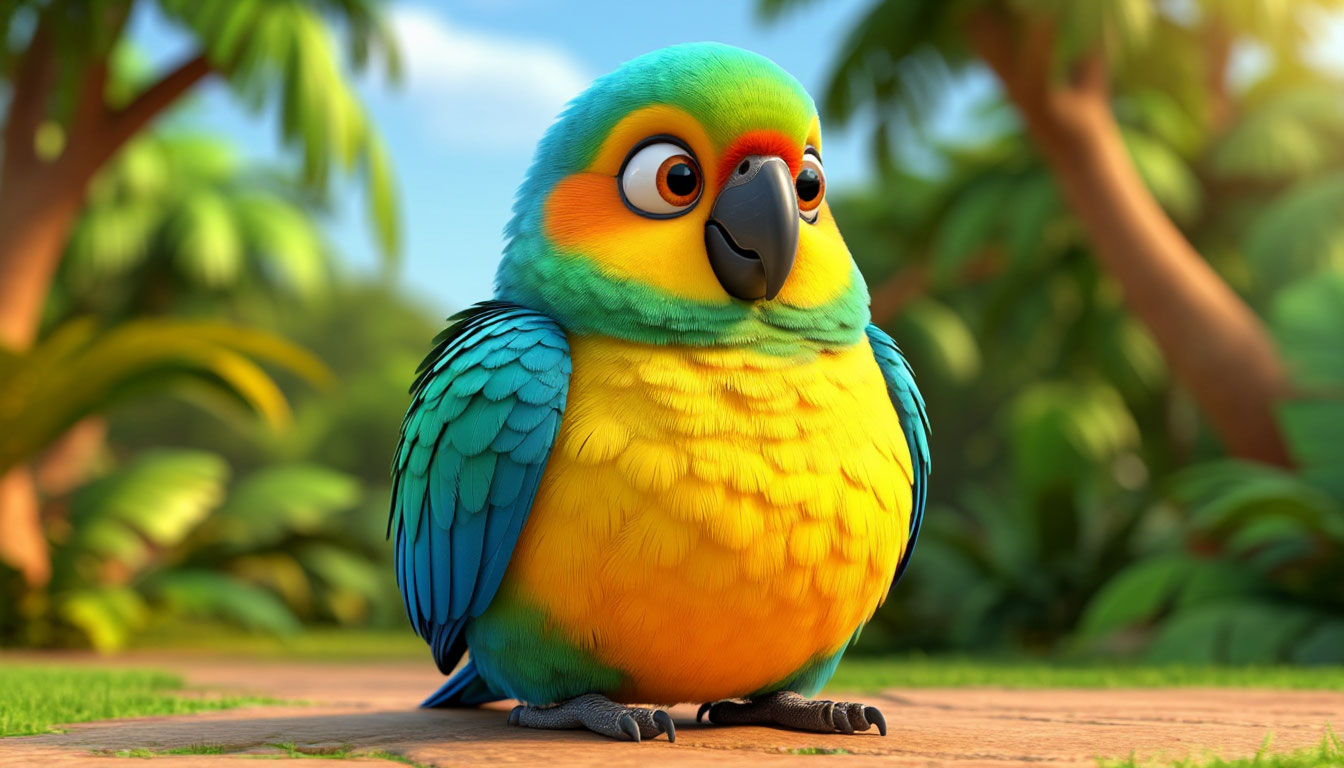 Let’s be honest: owning a parrot is a lot like living with a tiny, feathered toddler who owns a pair of bolt cutters. They are intelligent, chaotic, and surprisingly good at hiding when they feel terrible.
In the wild, a sick bird is a dead bird. Because of this survival instinct, your green-cheeked conure or majestic African grey will try to “act tough” even when they are feeling rotten. By the time you notice something is wrong, your bird has likely been sick for much longer than you realize.
But don’t panic! We’re here to help you decode the silent language of sickness. Knowing the top 10 symptoms that scream “emergency” is the first step in being the best parrot parent possible. Just remember: while this guide is here to educate (and maybe entertain a little), we are playing the role of the detective, not the doctor.
1. The “All-Day Nap” (Lethargy)
Parrots are usually busybodies. They preen, they play, they scream at their own reflection. If your bird is spending all day puffed up at the bottom of the cage or sleeping on two feet (which is a no-no - they usually sleep on one), the party is over. Lethargy is the number one sign that something is systemically wrong.
2. The Poop Anomaly
Welcome to the part of bird ownership no one warns you about: you will become a poop connoisseur. A healthy bird has three distinct parts to their droppings: the fecal (green and solid), the urine (clear liquid), and the urates (white, creamy paste).
- The Red Flag: If the poop is bloody (black or tarry) or if the urates are yellow or green, your bird’s liver or internal organs might be in distress.
3. “Sneezing” with Accessories (Nasal Discharge)
A little “achoo” after a dusty play session is fine. But if you see actual discharge from the nares (the nostrils on their beak), or if the feathers around the nose are matted and wet, you are likely dealing with a respiratory infection. In parrots, this can go south faster than a snowbird in Florida.
4. The “Puffball” Posture
When a parrot is cold or sick, it fluffs up its feathers to trap heat. If your bird looks like a round, adorable tennis ball all day and refuses to flatten its feathers, it is running a fever or trying to conserve energy. A constantly puffed-up bird is a red alert.
5. Tail Bobbing (The Danger Wiggle)
It is normal for birds to wiggle their tails when they are happy to see you. It is not normal for their tail to bob up and down sharply with every breath. If the tail is pumping while the bird is just sitting still, it means they are struggling to breathe. This is a medical emergency.
6. Changes in Voice or “Screaming” Patterns
We know - sometimes we wish they would stop screaming. But if your usually chatty Amazon goes completely silent, or if their voice sounds raspy or strained, it’s a sign of respiratory distress or a possible infection in the syrinx (their voice box).
7. The Vomit Comet (Regurgitation)
There is a difference between a love tap and a health scare. Mated birds often regurgitate food for each other as a sign of affection (it’s gross, but sweet). However, if the food is projectile, if the head is shaking violently, or if the bird is actually vomiting (food stuck to the head feathers), it’s a crop infection or poisoning.
8. Feather Destructo-Mode
While plucking can be behavioral (boredom, stress), sudden, frantic feather destruction or mutilation of the skin is often medical. It can be a sign of skin infections, internal pain, or liver disease. If your bird is treating its own body like a chew toy, a vet visit is non-negotiable.
9. Sitting on the Cage Floor
Birds perch. It’s what they do. If your bird is spending hours on the floor of the cage, hiding in a corner, it means they are too weak to climb back up. This is often the last stage before total collapse.
10. Changes in Appetite or Water Intake
A bird that refuses its favorite millet spray or a juicy strawberry is a bird that feels terrible. Conversely, drinking massive amounts of water can indicate kidney issues or diabetes.
So, You Spotted a Symptom. Now What?
First, take a deep breath. You’ve done the hard part by noticing something is off.
Now, here is the golden rule of avian care: Do not play WebMD with your bird. I know Dr. Google is tempting. I know the Facebook parrot group has 10,000 members. But here is the truth: a real, accurate diagnosis can only be made by a licensed veterinarian - preferably an avian vet.
These symptoms are clues, but they are not the full story. That nasal discharge could be a bacterial infection, a fungal issue, or just a seed stuck in the nose. The lethargy could be a deficiency or a tumor.
Never skip a vet visit. Birds are masters of disguise, and by the time they show symptoms, they are often in critical condition. A vet can run tests, take X-rays, and do things that Dr. Google just can’t. Your job is to get them there safely.
Be a Smarter Bird Parent (Without the Stress)
Keeping track of a sick bird’s symptoms is stressful enough. But what about keeping track of their health before they get sick?
The best way to catch these issues early is to know your bird’s normal routine inside and out. That’s where modern technology can actually help the feathered overlords in our lives.
There is a fantastic tool called “Bobki” - a mobile app designed for pet parents who want to level up their care game. Think of it as a digital assistant for your avian chaos.
If you’re trying to monitor that weird poop or track how much your bird is sleeping versus playing, the app helps you log these behaviors so you have a clear timeline to show the vet. It features a Task Calendar so you never miss a critical health check or a cage cleaning, and it helps you keep those routine vet visits scheduled (so you’re less likely to skip them!).
Worried about whether your bird’s new “scream” is a tantrum or a tracheal issue? The app includes a Body Language Book to help you understand the difference between a happy bird and a hormonal one. And when your feathered friend is feeling better, you can use the Training features to strengthen your bond with positive reinforcement.
Because at the end of the day, being a parrot parent means being proactive. Know the symptoms, respect the vet, and use every tool at your disposal - including your smartphone - to keep your little dinosaur happy and healthy for years to come.
Tip: Keep all your pet’s test results and vaccination records on your phone. We explain how to easily do this and why it’s important. Read the article